Embracing Organic Farming: A Path to a Healthier Future
อัพเดทล่าสุด: 16 เม.ย. 2025
245 ผู้เข้าชม
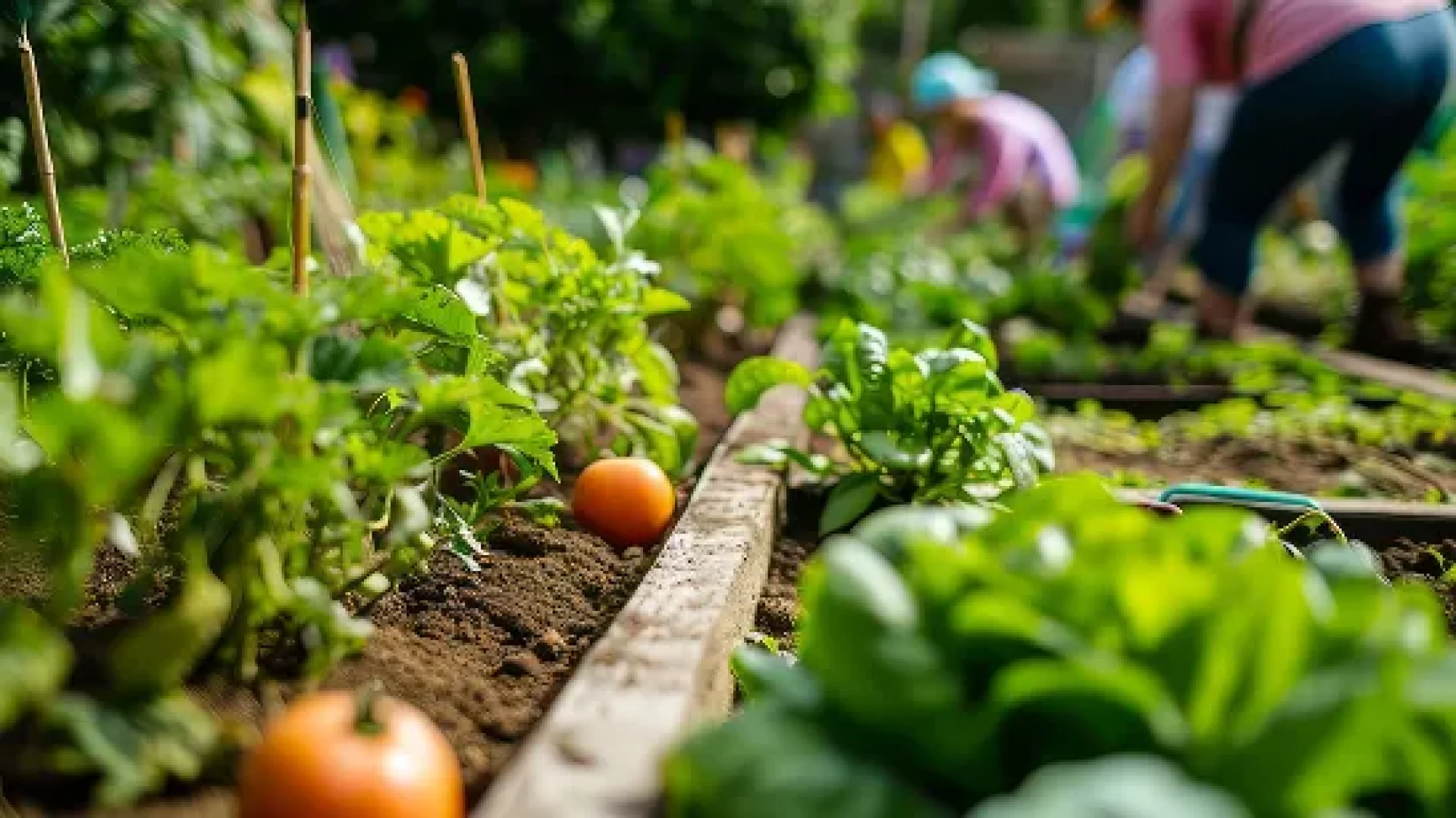
What is Organic Farming? Organic farming is a method of farming that seeks to produce food, fiber, and other goods without the use of synthetic pesticides, herbicides, and fertilizers. It also prohibits the use of genetically modified organisms (GMOs). Instead, organic farmers rely on crop rotations, green manure, compost, and biological pest control to maintain soil health and manage pests.
Key principles of organic farming include:
Key principles of organic farming include:
- Soil Health: Promoting healthy, fertile soil using compost, cover crops, and crop rotation.
- Biodiversity: Maintaining diverse ecosystems and wildlife habitats on farms.
- Sustainability: Reducing the ecological footprint of farming practices while ensuring long-term productivity.
- Natural Pest Control: Using biological or mechanical methods to manage pests, rather than synthetic chemicals.
บทความที่เกี่ยวข้อง

Strawberries are one of the most beloved fruits, known for their sweet
16 เม.ย. 2025

Organic farming isn't just a trend—it’s a movement that’s transforming the way we think about food
16 เม.ย. 2025

As concerns about climate change, environmental degradation, and public health continue to rise
16 เม.ย. 2025
